What is a Solution?
Mixtures, homogeneity, and why the Dead Sea lets you float
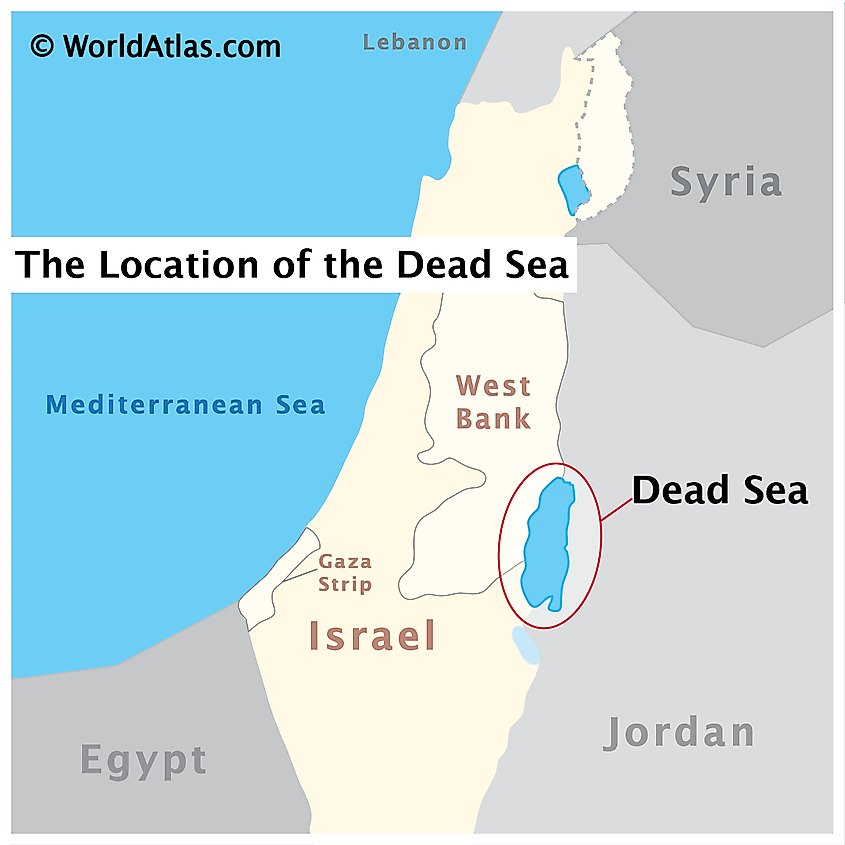
The Dead Sea has a salt concentration nearly 10× that of regular sea water. Humans float in it effortlessly — but fish cannot survive in it at all. Regular sea water has the opposite profile: fish thrive, humans sink. What single property of the solution, changed by the dissolved salt, explains all three observations at once?

A hospital drip bag contains normal saline — precisely 0.9 g of NaCl per 100 mL of water. Too concentrated, and it pulls water out of blood cells, causing them to shrivel. Too dilute, and cells absorb excess water and burst. The margin between therapeutic and harmful is a fraction of a teaspoon of salt per litre. That is why chemists developed rigorous, standardised ways to express how much solute is dissolved in a solution — and why this chapter is fundamental to medicine, food science, and industrial chemistry.
A solution is a homogeneous mixture of two or more substances mixed at the molecular or ionic level. The key word is homogeneous — the composition and properties are uniform throughout every part of the solution.
Every solution has two components:
- Solute — the substance present in smaller quantity (can be solid, liquid, or gas)
- Solvent — the substance present in larger quantity; it determines the phase of the solution
When the solvent is water, the solution is called an aqueous solution.
Is It a Solution?
Three tests distinguish a true solution from other mixtures:
- Transparent — light passes through without scattering (unlike colloidal milk or muddy water)
- Stable — components do not settle on standing, ever
- Cannot be filtered — particles are at the atomic/ionic/molecular scale (< 1 nm)
From your teacher’s quick question
Which of these are true solutions?
AI Generation Prompt
Three identical glass beakers side by side. Beaker 1 (labelled "Suspension") contains muddy water — particles visible, a laser beam scatters heavily and the beam path is very bright. Beaker 2 (labelled "Colloid") contains milky liquid — a laser beam shows a faint glowing path. Beaker 3 (labelled "True Solution") contains clear blue copper sulphate solution — a laser beam passes through completely invisibly. A single laser pointer on the left sends one beam through all three. Label each beaker. Show settling particles at the bottom of Beaker 1. Dark background, orange accent labels, clean technical illustration style.
Remember
Solutions are not always liquid. The phase of the solution is the phase of the solvent:
- Solvent = solid → solid solution (e.g., alloys, gemstones)
- Solvent = liquid → liquid solution (e.g., salt water)
- Solvent = gas → gaseous solution (e.g., air)
Mist ≠ Solution. Mist is a colloid (liquid droplets in gas). Rain water is a solution (dissolved gases in liquid water).
Q1.In a solution of alcohol in water, the solvent is:
The Dead Sea has a salt concentration nearly 10× that of regular sea water. Humans float in it effortlessly — but fish cannot survive in it at all. Regular sea water has the opposite profile: fish thrive, humans sink. What single property of the solution, changed by the dissolved salt, explains all three observations at once?
A hospital drip bag contains normal saline — precisely 0.9 g of NaCl per 100 mL of water. Too concentrated, and it pulls water out of blood cells, causing them to shrivel. Too dilute, and cells absorb excess water and burst. The margin between therapeutic and harmful is a fraction of a teaspoon of salt per litre. That is why chemists developed rigorous, standardised ways to express how much solute is dissolved in a solution — and why this chapter is fundamental to medicine, food science, and industrial chemistry.
A solution is a homogeneous mixture of two or more substances mixed at the molecular or ionic level. The key word is homogeneous — the composition and properties are uniform throughout every part of the solution.
Every solution has two components:
- Solute — the substance present in smaller quantity (can be solid, liquid, or gas)
- Solvent — the substance present in larger quantity; it determines the phase of the solution
When the solvent is water, the solution is called an aqueous solution.
Is It a Solution?
Three tests distinguish a true solution from other mixtures:
- Transparent — light passes through without scattering (unlike colloidal milk or muddy water)
- Stable — components do not settle on standing, ever
- Cannot be filtered — particles are at the atomic/ionic/molecular scale (< 1 nm)
From your teacher’s quick question
Which of these are true solutions?
AI Generation Prompt
Three identical glass beakers side by side. Beaker 1 (labelled "Suspension") contains muddy water — particles visible, a laser beam scatters heavily and the beam path is very bright. Beaker 2 (labelled "Colloid") contains milky liquid — a laser beam shows a faint glowing path. Beaker 3 (labelled "True Solution") contains clear blue copper sulphate solution — a laser beam passes through completely invisibly. A single laser pointer on the left sends one beam through all three. Label each beaker. Show settling particles at the bottom of Beaker 1. Dark background, orange accent labels, clean technical illustration style.
Q1.In a solution of alcohol in water, the solvent is: