Part III — The Winds of Change
When the electric fan arrived, what happened to the pankha?
Part III — A craft at risk, and how to save it
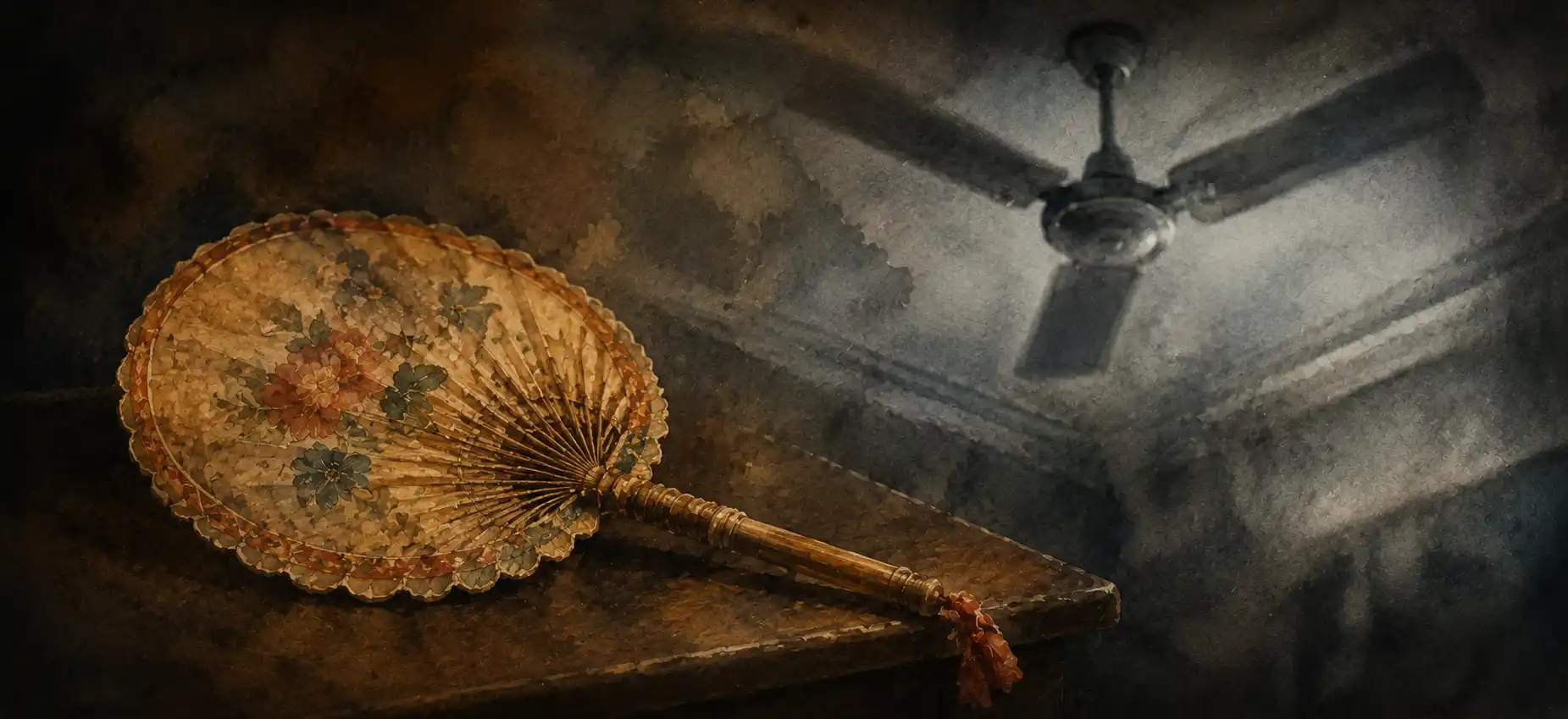
Now the article reaches its real subject — the one hidden in the title. Winds of Change. The electric fan moves air better than any pankha ever could. So what happens to a 1,800-year-old craft when a machine does its job for free?
With time and the of technology and innovative creations, the beautiful culture of pankhas runs the risk of slowly losing its presence among Indians. Once made for personal use, over time this handicraft has transformed into a commercial business and now provides some form of to India's artisans. The slight increase in popularity and demand is significantly factored by the different versions of the pankha being crafted.
One of the first steps to preserve the of the craft is by celebrating pankhas, and appreciating the culture, stories, and artistry that this handicraft invokes. This allows pankha makers to demonstrate their craft and regain its popularity. It also helps provide them with a commercial platform to create a livelihood. Initiatives such as pankha-making workshops, both within and outside the handicraft exhibitions help spread awareness about the beauty and importance of this craft in India's culture.
The same wind, blowing on every craft
The pankha's story is the story of nearly every handmade craft in India today. The handloom weaver competes with the power loom; the village potter competes with steel and plastic; the hand-fan maker competes with the ₹300 electric table fan. In each case the machine wins on price and convenience — and loses on beauty, meaning, and the livelihood of a real human being. India's craft-revival movements, GI (Geographical Indication) tags, and handicraft exhibitions all exist to tilt the balance back. When you choose a handmade thing — and tell its story — you are part of that tilt.
The article's hope is that pankhas survive by becoming decorative and commercial — wall hangings and craft-fair items rather than everyday tools. Is a craft that survives only as decoration truly 'saved'? Or has it lost something by no longer being used? (No single right answer — argue it.)
Take a moment to form your answer before reading further.
Q1.What threatens the culture of pankhas, according to the article?
Part III — A craft at risk, and how to save it
Now the article reaches its real subject — the one hidden in the title. Winds of Change. The electric fan moves air better than any pankha ever could. So what happens to a 1,800-year-old craft when a machine does its job for free?
With time and the of technology and innovative creations, the beautiful culture of pankhas runs the risk of slowly losing its presence among Indians. Once made for personal use, over time this handicraft has transformed into a commercial business and now provides some form of to India's artisans. The slight increase in popularity and demand is significantly factored by the different versions of the pankha being crafted.
One of the first steps to preserve the of the craft is by celebrating pankhas, and appreciating the culture, stories, and artistry that this handicraft invokes. This allows pankha makers to demonstrate their craft and regain its popularity. It also helps provide them with a commercial platform to create a livelihood. Initiatives such as pankha-making workshops, both within and outside the handicraft exhibitions help spread awareness about the beauty and importance of this craft in India's culture.
The same wind, blowing on every craft
The pankha's story is the story of nearly every handmade craft in India today. The handloom weaver competes with the power loom; the village potter competes with steel and plastic; the hand-fan maker competes with the ₹300 electric table fan. In each case the machine wins on price and convenience — and loses on beauty, meaning, and the livelihood of a real human being. India's craft-revival movements, GI (Geographical Indication) tags, and handicraft exhibitions all exist to tilt the balance back. When you choose a handmade thing — and tell its story — you are part of that tilt.
The article's hope is that pankhas survive by becoming decorative and commercial — wall hangings and craft-fair items rather than everyday tools. Is a craft that survives only as decoration truly 'saved'? Or has it lost something by no longer being used? (No single right answer — argue it.)
Take a moment to form your answer before reading further.
Q1.What threatens the culture of pankhas, according to the article?