What the Story Says Without Saying
Three themes hidden in plain sight
A good story carries more than one idea. The story you just read says nothing directly about 'the importance of education' — but it shows three different things, side by side. Tap each theme below to read the evidence and a reflection prompt for yourself.
Tap each card to open the evidence and the reflection prompt.
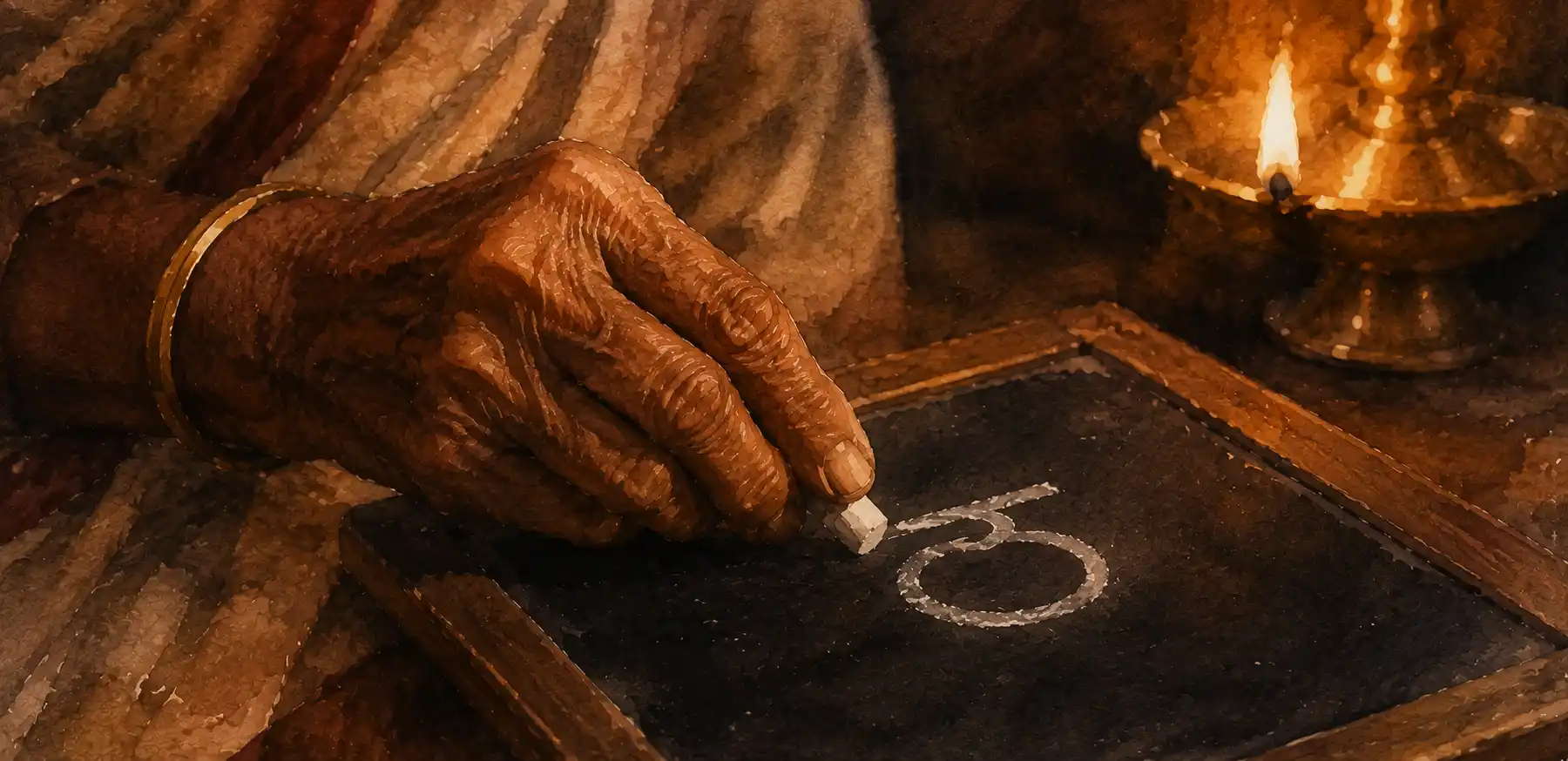
Krishtakka begins her first reading lesson at sixty-two. The story refuses the everyday belief that learning belongs to the young.
Krishtakka does not just want to *read*. She wants to **stop depending**. The deepest motive in this story is not curiosity — it is the wish to be able to do something for oneself.
The grandmother touches her granddaughter's feet. That single gesture undoes a tradition that runs older than either of them. Sudha Murty's quiet point: respect follows *role*, not age.
This story is happening right now
India today has roughly 250 million adult illiterates — most of them women like Krishtakka, who never got the chance to study in childhood. The choice the narrator faced at twelve — to laugh, or to teach — is being faced in millions of Indian homes today: by teenagers with smartphones whose grandmothers cannot read the names of their own grandchildren's WhatsApp messages.
Sudha Murty never uses the word 'education' in this story. Why might she have kept the word out — and what does it mean that we feel the importance of education anyway, by the time we reach the end?
Take a moment to form your answer before reading further.
Q1.Which of these is the most accurate statement about theme?
A good story carries more than one idea. The story you just read says nothing directly about 'the importance of education' — but it shows three different things, side by side. Tap each theme below to read the evidence and a reflection prompt for yourself.
Tap each card to open the evidence and the reflection prompt.
Krishtakka begins her first reading lesson at sixty-two. The story refuses the everyday belief that learning belongs to the young.
Krishtakka does not just want to *read*. She wants to **stop depending**. The deepest motive in this story is not curiosity — it is the wish to be able to do something for oneself.
The grandmother touches her granddaughter's feet. That single gesture undoes a tradition that runs older than either of them. Sudha Murty's quiet point: respect follows *role*, not age.
This story is happening right now
India today has roughly 250 million adult illiterates — most of them women like Krishtakka, who never got the chance to study in childhood. The choice the narrator faced at twelve — to laugh, or to teach — is being faced in millions of Indian homes today: by teenagers with smartphones whose grandmothers cannot read the names of their own grandchildren's WhatsApp messages.
Sudha Murty never uses the word 'education' in this story. Why might she have kept the word out — and what does it mean that we feel the importance of education anyway, by the time we reach the end?
Take a moment to form your answer before reading further.
Q1.Which of these is the most accurate statement about theme?